Performance under pressure is the job. Coaching shouldn't be designed for someone else.
Most leadership coaching is built for the corporate world, the language doesn't quite fit, the case studies don't match your day, and the tools weren't tuned for the operational pressure you actually carry. The PMP-Frontline isn't that. It's the only profiling tool in Australia built specifically for police officers, paramedics, fire officers, Australian Defence Force personnel, and the managers who lead them.
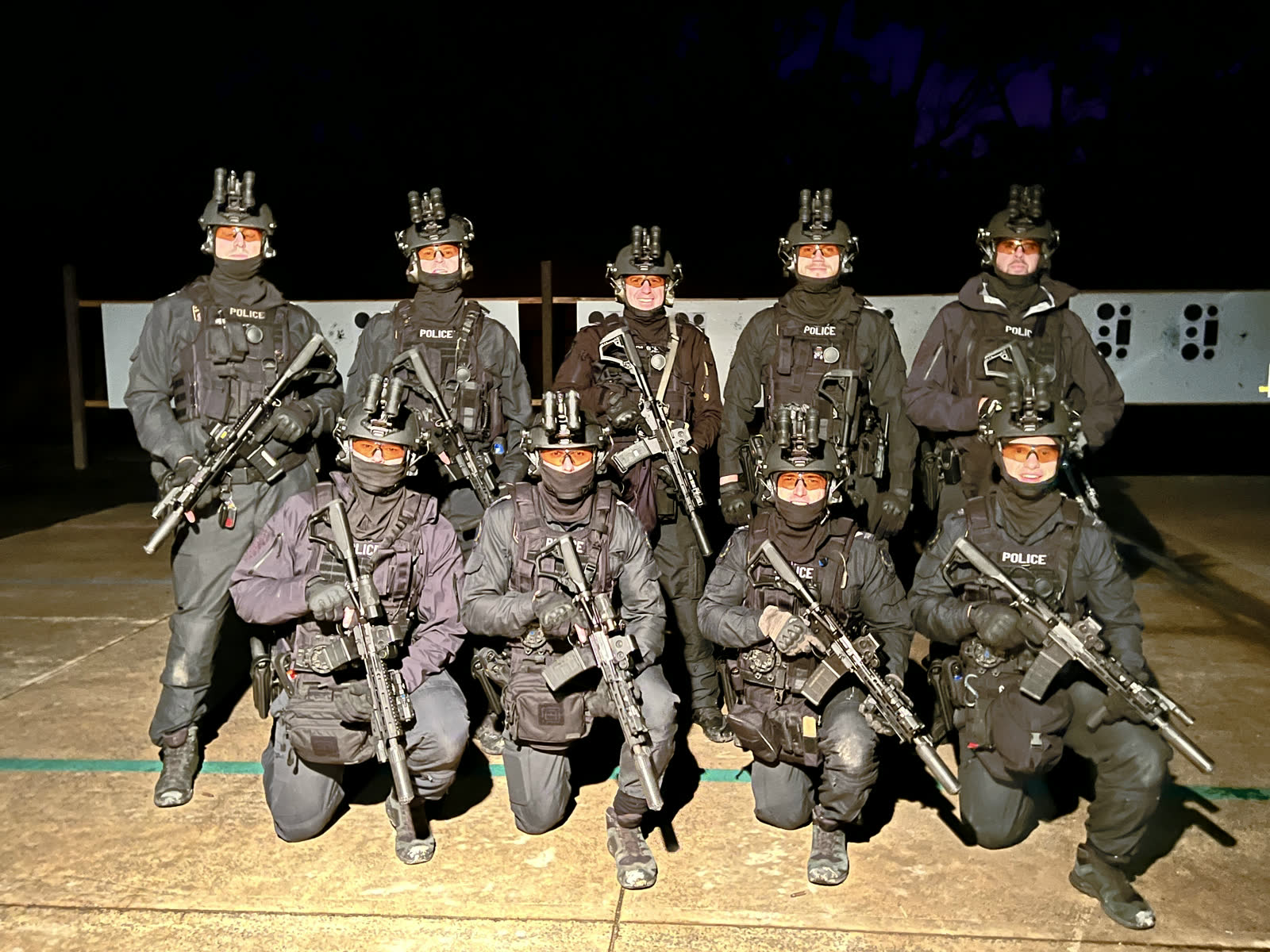
Who this is built for.
The PMP-Frontline is calibrated for people who work in environments where the consequences of judgement under pressure are real, and where the public scrutiny is part of the load.
Police officers
Senior constables and above, sergeants, inspectors, command staff. Whether you run a watch, a unit, or a region, the questions and language are calibrated for you.
Paramedics & clinical leads
Intensive care paramedics, station officers, clinical educators. The instrument addresses the specific carry-over patterns from high-acuity callouts into life away from the job.
Fire officers
Station officers, captains, district officers, command roles. Built around the operational tempo, the team-leadership demand, and the long-tail load.
Australian Defence Force officers
Army, Navy, and Air Force officers and senior NCOs. Includes the specific Mission-Anchored vs Wholeness dimension, the one most relevant to long-deployment psychology and career-transition planning.
Public-sector managers
Government department managers, emergency-services managers, agency leads. The output is genuinely confidential, your employer is not contacted, the report is yours.
Anyone in transition
Coming up to retirement, considering a move out of operational into command, recovering from a critical-incident period, the actual-vs-ideal gap data is most useful here.
What you'll learn about yourself.
The PMP-Frontline measures 13 dimensions across three layers, nine universal patterns, three frontline-specific patterns, and one defence-specific pattern. Each is presented as a polarity (not a level), so the output never says you're "bad" at something.
Universal patterns (nine)
- Decisiveness ↔ Deliberation, fast judgement vs considered weighing under load
- Equanimity ↔ Emotional Salience, stable affect vs high emotional information access
- Attunement ↔ Boundary Strength, reads people first vs holds the line first
- Directive ↔ Consultative, owns the call vs distributes the call
- Stable Anchoring ↔ Receptive Flexibility, strong self-concept vs permeable to context
- Structured ↔ Improvisational, operates from doctrine vs reads the moment
- Open ↔ Self-Directed, receptive to outside input vs internally calibrated
- Aligned ↔ Adaptive, acts from internalised values vs calibrates to situational ethics
- Monitoring ↔ Flowing, tracks own thinking in real time vs operates from automaticity
Frontline-specific patterns (three)
- Challenge State ↔ Threat State, operates from resources vs operates from demands under load
- De-escalation ↔ Control Default, brings the temperature down first vs establishes authority first
- Moral Courage ↔ Moral Pragmatism, speaks up regardless of cost vs calibrates timing
Defence-specific (one)
- Mission-Anchored ↔ Wholeness-Anchored, service as primary identity vs self as primary, service as role
The output is a coaching conversation, not a verdict.
Forget the diagrams of personality tests you've taken at induction. The PMP-Frontline produces a "Conversation Map", a single document designed to be used with a coach, not read alone and put away.
Inside the Conversation Map:
- Your operating signature, the three patterns where you sit most firmly
- The widest gap between how you actually operate and how you'd ideally operate (often the most useful coaching theme)
- One strength in its shadow, reframes your weakest emphasis as a flexibility
- The full 13-dimension polarity profile
- Three specific questions to open with when you next sit with a coach
No labels. No "you're a [letter type]." No judgements. Just patterns and questions.
Response-style checks need context
The questionnaire includes forced choices, comparisons between actual and ideal responses, consistency indicators and behavioural questions. These can highlight themes to discuss with a coach; they do not establish whether someone answered honestly.
This practitioner-built tool has not been independently psychometrically validated. It is not intended for diagnosis, selection or predicting performance.
Pricing.
Two ways in. Either is genuinely confidential. Your employer is not contacted. The report is yours.
Review the Privacy Policy and Terms of Service before purchasing. This is the PMP-Frontline product, intended for a coaching conversation.
PMP-Frontline
- Online assessment, completed at your own pace
- Self-Discrepancy layer (actual vs ideal)
- Written Conversation Map output you can keep, delivered as PDF and in your portal
- Response-style indicators for discussion
PMP-Frontline + Debrief
- Everything in PMP-Frontline
- A 45-minute Teams debrief with Rob to walk through the Conversation Map
- A short follow-up email summarising themes and any agreed actions
- Natural bridge into 1:1 coaching if either side wants to continue